Two principals. Combined experience that spans the full surface of BPO leadership and execution.

Most consultants study the BPO industry. Amanda shapes the conversation around it.
Before any of it, she worked on Wall Street and then in corporate finance, taking Borderfree (Nasdaq: BRDR) public in 2014. She came into outsourcing as head of finance and marketing at ArenaCX, the outsourcing marketplace — holding both sides of the same problem at once. That is where Evostr's approach comes from: what a business is worth and how it describes itself are not separate questions, and the firms that treat them separately are the ones whose multiples stall.
As an independent analyst for Fourcasters, she works directly with the buyers, investors, and operators defining where this market is heading — not as an observer, but as a participant in the decisions being made. She was named to ICMI's Top 25 Thought Leaders in Customer Experience for 2026, co-hosts the Build a Better BPO podcast, and writes a newsletter read by more than 2,000 BPO executives.
That access matters. It means Evostr's strategic work is grounded in what buyers actually want right now — not what they wanted three years ago.
She also tracks how the public market prices this industry: the earnings, the disclosures, and the EV/EBITDA spread that separates a labor-priced BPO from a technology-embedded one. So when Evostr tells an owner where their business sits, the placement is checked against what comparable companies are actually trading at — not asserted.
At Evostr, Amanda leads strategic architecture: positioning, narrative, vertical strategy, ideal client profile development, and the proprietary IP that anchors the firm's work — including the BPO Evolution Ladder™.
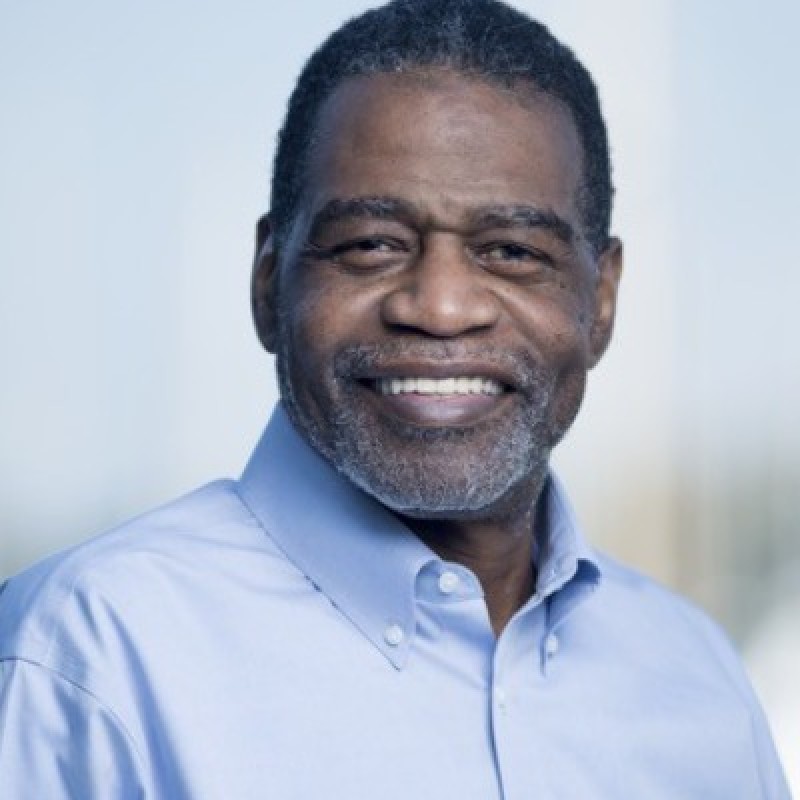
Paul has been inside the transitions BPO operators are now being asked to navigate. He founded, ran, and sold a contact center in Denver — so he has been on the owner's side of a sale process, not only advised one. He founded InfinitAI, building AI technology specifically for contact center operations. He's held CEO, CSO, COO, and Head of Sales roles at companies building conversational AI platforms and BPO services, and has closed enterprise deals with Google, Microsoft, and BMW.
He's also navigated several technology transition waves — licensed software to SaaS, server infrastructure to cloud, hard-coded systems to conversational AI. Each one demanded the same thing: realigning the commercial model, the go-to-market motion, and the operational execution at the same time. He's done it, more than once. That's what he brings to clients navigating the AI transition now.
At Evostr, Paul leads operational and commercial architecture: sales motion design, account management transformation, organizational structure, and the implementation work that makes strategic change hold after the engagement closes.